Featured
Table of Contents
To comprehend what makes an organization concept scalable, we must initially specify what it is not. A non-scalable service is one where expenses grow in lockstep with income. If you are running a consulting company where every new client requires a brand-new high-salaried hire, you have a growth company, however you do not have a scalable one.
The primary factor most designs stop working to reach escape velocity is an absence of running utilize. Operating take advantage of exists when a high percentage of expenses are fixed instead of variable. In a SaaS design, the cost of serving the 1,000 th consumer is almost similar to the expense of serving the 10,000 th.
Optimizing Your Sales Ecosystem for 2026In 2026, the marginal expense of experimentation has actually plummeted due to generative AI and low-code facilities. Scalable ideas are built on a disciplined experimentation framework where every test is developed to confirm a specific pillar of the system economics.
You need to prove that you can obtain a customer for substantially less than their lifetime value (LTV). In the existing market, a healthy LTV to CAC ratio is 3:1 for early-stage business, moving toward 5:1 as the company matures. If your triage reveals that your CAC payback duration exceeds 18 months, your idea might be feasible, however it is likely not scalable in its current form.

We call this the Scalability Triage. When we deal with creators through our start-up studio, we use this framework to audit every new concept before committing resources to advancement. The technical structure must be developed for horizontal scale from the first day. This does not suggest over-engineering for millions of users when you have 10, but it does suggest choosing an architecture that does not require an overall reword at the first indication of success.
Understanding Impact of GEO within Marketing Scalability
Economic scalability is about the "Reasoning Advantage" and the limited expense of service. In 2026, the most scalable service ideas leverage AI to handle the heavy lifting that formerly required human intervention. Whether it is automated client success, AI-driven content moderation, or algorithmic matching in a market, the objective is to keep the human-to-revenue ratio as low as possible.
Distribution is where most scalable concepts pass away. If you rely solely on performance marketing (Facebook and Google ads), your margins will become eaten by rising CAC. Scalable circulation requires a "Proprietary Data Moat" or a viral loop that lowers the expense of acquisition over time. This may mean product-led development (PLG), where the product's energy increases as more individuals from the very same organization join, or a community-led model, where users become your primary supporters.
Investors in 2026 are looking for "Substance Start-ups"business that fix a broad range of incorporated problems instead of using a single point service. This approach results in greater Net Earnings Retention (NRR) and develops a "sticky" community that is tough for rivals to displace. Among the most promising scalable organization ideas is the production of Vertical AI options for extremely regulated sectors such as legal, health care, or compliance.
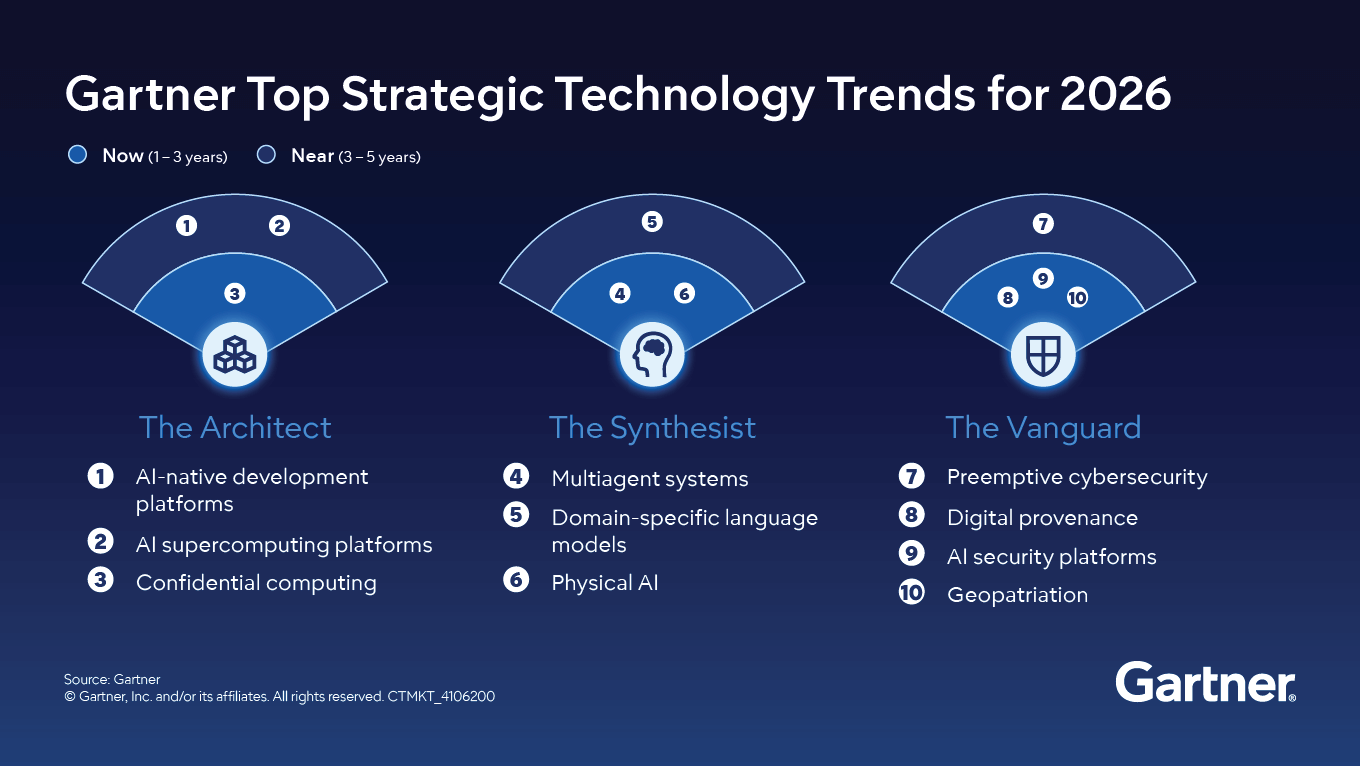
By concentrating on a specific niche: like AI-assisted agreement review for building firms or clinical trial optimization for biotech, you can develop a proprietary dataset that becomes your main competitive moat. In 2026, international regulations are becoming progressively fragmented. Small to medium enterprises (SMEs) are struggling to stay up to date with shifting cross-border data laws and environmental mandates.
Why AI-Driven B2B Workflows Increase Growth
This model is exceptionally scalable because it solves a high-stakes problem that every growth-oriented service eventually faces. The health care sector remains among the biggest untapped opportunities for technical scalability. Beyond easy EHRs (Electronic Health Records), there is a growing need for "Orchestration Engines" that coordinate care in between specialists, pharmacies, and patients utilizing agentic workflows.
Data Sovereignty: Is the information saved and processed in compliance with local regulations (GDPR, HIPAA)? Expert-in-the-Loop: Does the workflow allow for human oversight at crucial validation points?
By evaluating consumer feedback, market trends, and technical financial obligation in real-time, these tools can offer actionable roadmaps that line up with business objectives. Many traditional service businesses are ripe for "SaaS-ification." This includes taking a labor-intensive procedure, like accounting, law, or architectural design, and developing a platform that automates 80% of the output.

This model accomplishes the high margins of SaaS while keeping the high-touch worth of an expert service firm. The key to scalability in this space is "Productization." Rather of selling hours, you offer a result. For an architectural firm, this might indicate an AI-powered tool that creates 50 floorplan models based on site constraints in seconds.
This decoupling of labor from revenue is the essential component for scaling a service-based venture. As more professionals move to fractional work, the "SaaS for Solutions" design expands into talent management. Platforms that offer fractional CFOs or CMOs with a standardized "Strategic Stack": consisting of control panels, reporting design templates, and AI-assisted analysis, allow these professionals to handle 5x more customers than they could independently.
Essential Sales Support Tactics for Global Leaders
Marketplaces are infamously difficult to begin but extremely scalable once they reach liquidity. In 2026, the focus has actually shifted from horizontal marketplaces (like Amazon or eBay) to highly specialized, vertical marketplaces that provide deep value-added services. As the "Fractional Economy" develops, there is an enormous opportunity for marketplaces that link high-growth start-ups with part-time C-suite talent.
Validation: Using AI to monitor the "Health" of the relationship and suggest course corrections before turnover happens. Scalable organization ideas in the circular economy space are driven by both consumer demand and ESG guidelines.
By solving the "Trust Space," these marketplaces can charge a premium take rate (often 20% or higher). Traditional supply chains are fragmented and inefficient. A scalable marketplace concept involves developing a platform that manages the whole supply chain for a particular niche, such as ethical fashion or sustainable building and construction materials.
Critical Factors of Scalable Enterprise Scaling
The most successful vertical marketplaces in 2026 are those that embed monetary services into the transaction. This could indicate providing "Buy Now, Pay Later On" (BNPL) choices for B2B procurement, providing specialized insurance for secondary market deals, or managing escrow services for high-value talent agreements. By recording the financial circulation, the marketplace increases its "Take Rate" and develops a considerable barrier to entry for generic rivals.
A scalable business concept in this space involves developing a market for "Green Steel," recycled plastics, or sustainable wood. The platform's value depends on its "Confirmation and Certification" engine, making sure that every transaction fulfills the increasingly rigorous regulatory requirements of 2026. Browsing the intricacies of identifying a scalable business design needs more than just theory, it needs execution.

Latest Posts
Improving Digital Performance Through AEO Trends
Using Modern Digital Strategy to Maximum Impact
Mastering 2026 Algorithms for Success